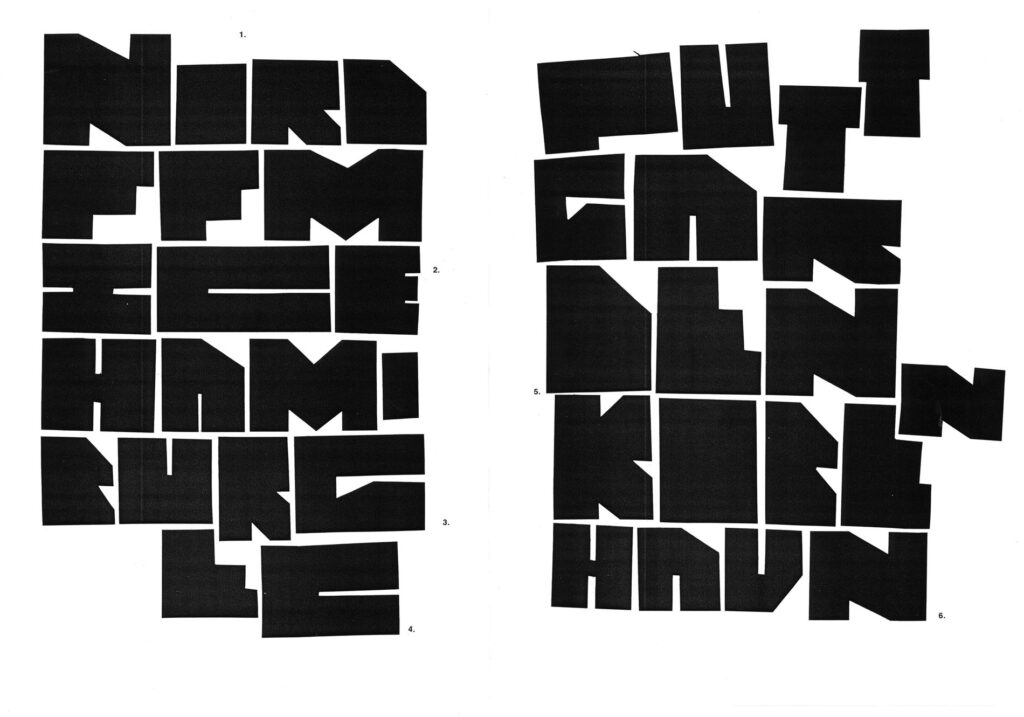
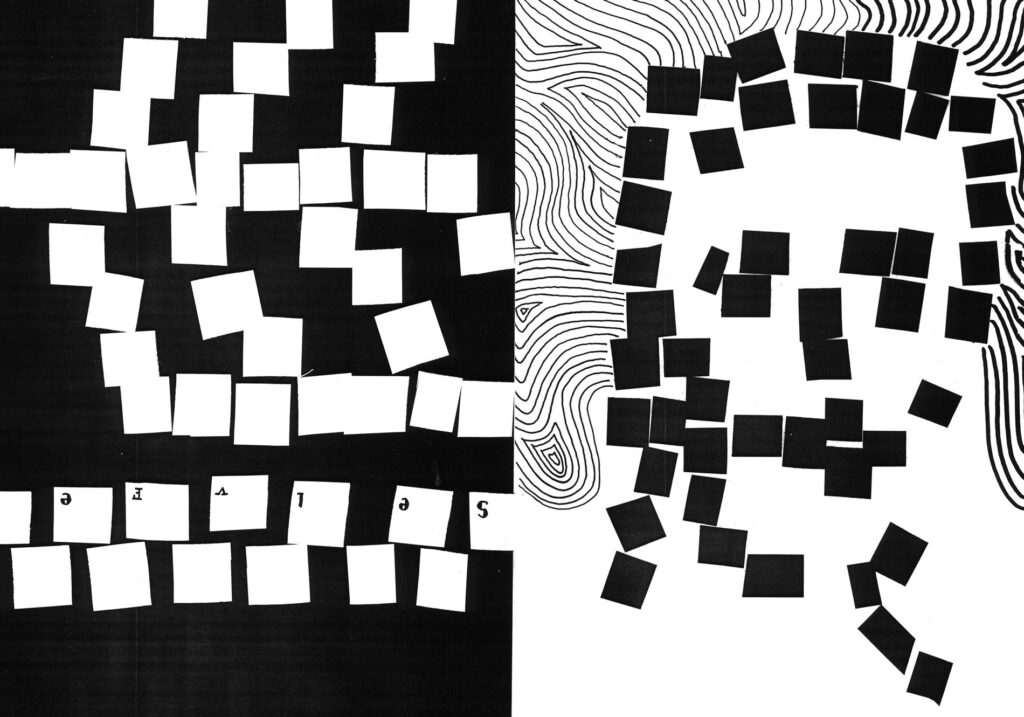
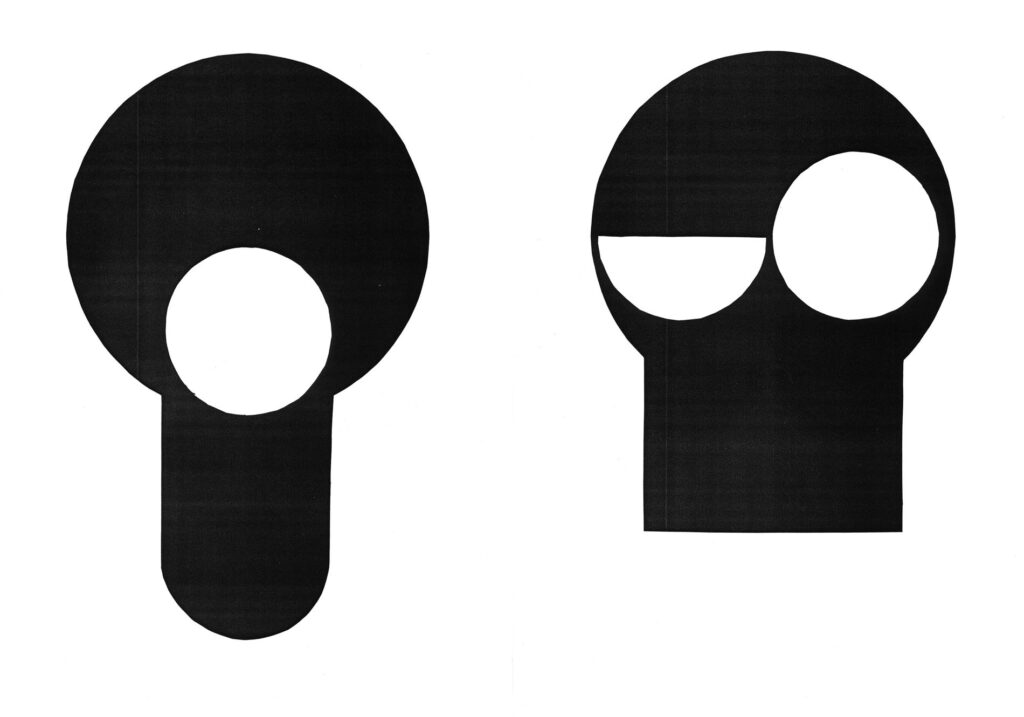
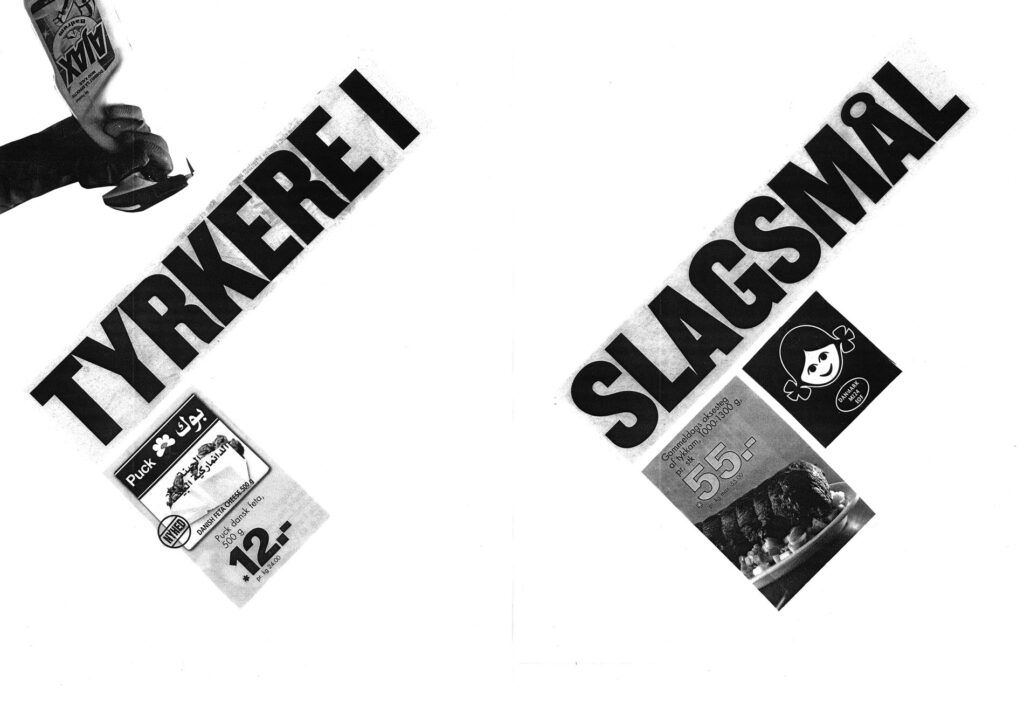
The One Weekend
Book Series
2004 — Nr. 4
Berlin, Germany
Elisabeth Schulze, Rinah Lang and
Martin Lorenz
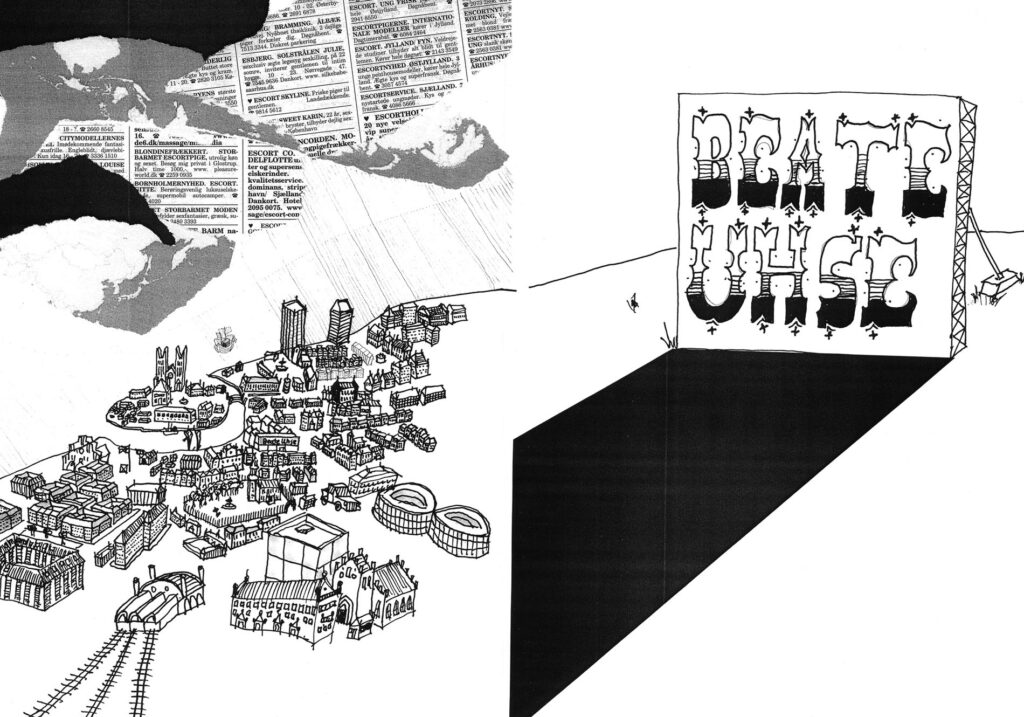
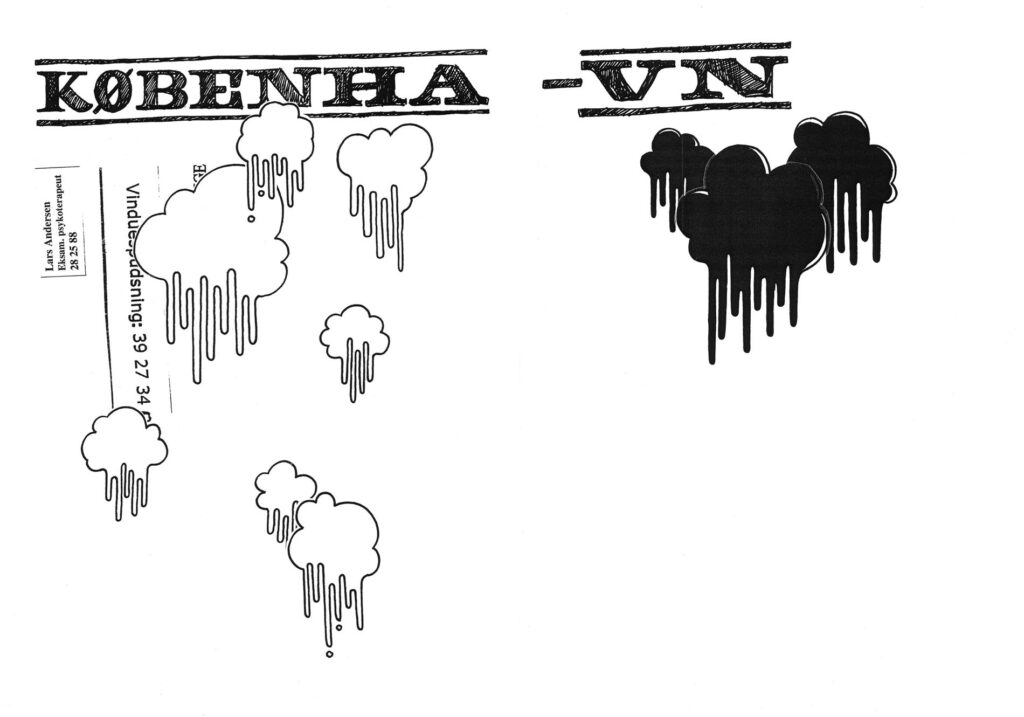
One day you will find yourself travelling the train tracks, the others staying at the Tatort. He who then stirs soup will have to lick the spoon, also in case of it being hot. Above all, children’s laughter is the most beautiful, even when resulting from their own jokes. Disturbing thoughts cloud our sleep. Either this or gluttony, melancholic music offering little relief. Once the lyrics kick in, the mist thickens by eared towers, by sunflower seeds, by worms, other species and an absence of horses, by F-R-E-I-H-E-I-T… The witness bares all, but facts are also understood by travellers.
Martin Lorenz: Elisabeth, you took part in the fourth edition of «The One Weekend Book Series». What was that like for you?
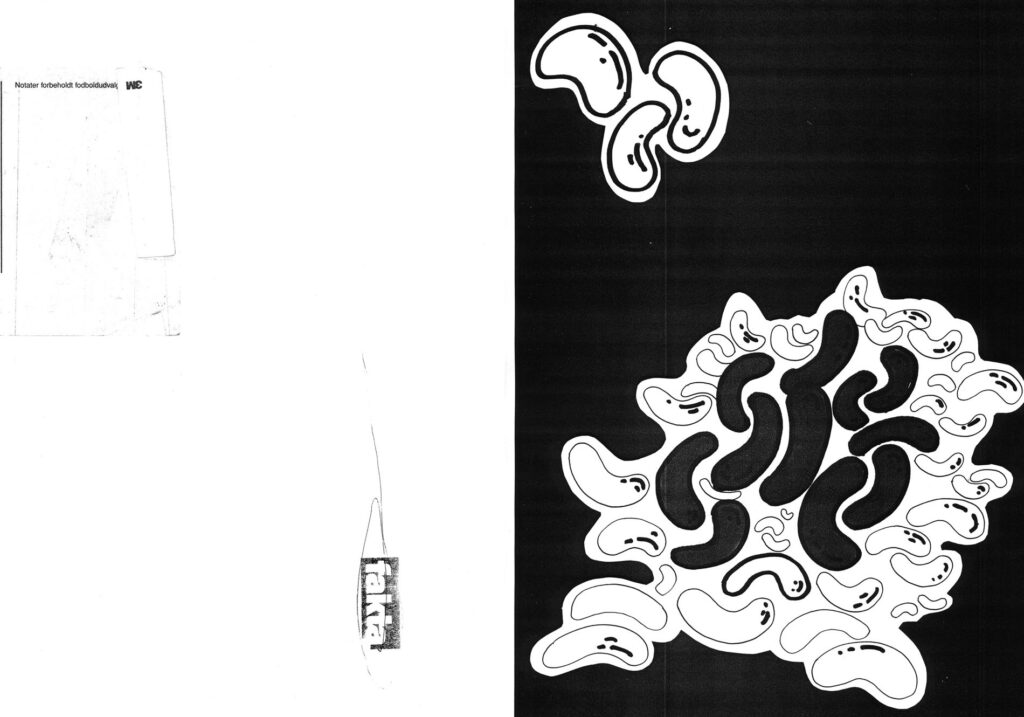
Elisabeth Schulze: For me, it was a weekend completely removed from everyday life—devoted entirely to a self-contained project and a wonderful source of inspiration. Martin’s idea created a foundation for effortless collaboration; I hadn’t known Rinah before, and working with her and Martin was a rewarding experience. Experiences like this make life more beautiful.
Martin Lorenz: Rinah, you also took part in the fourth edition. What was that experience like for you?
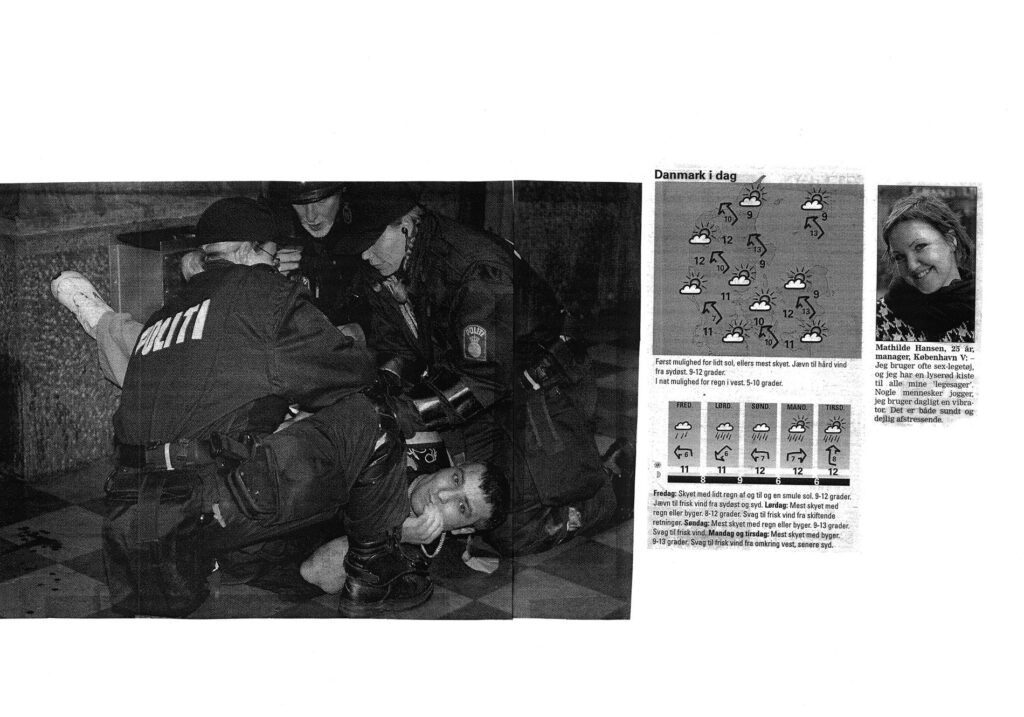
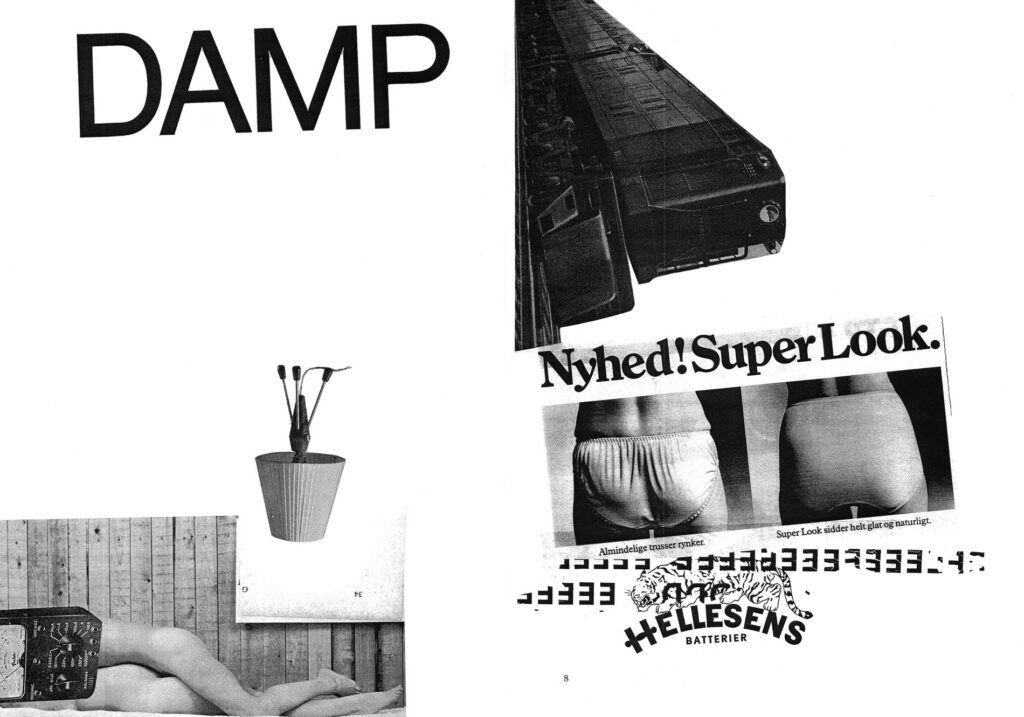
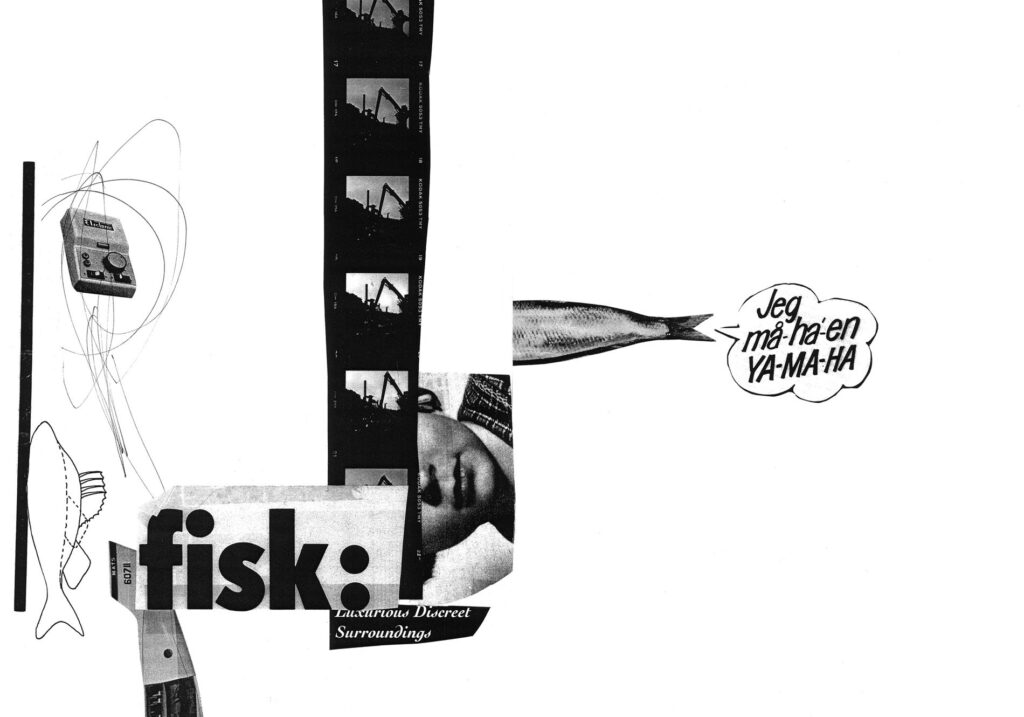
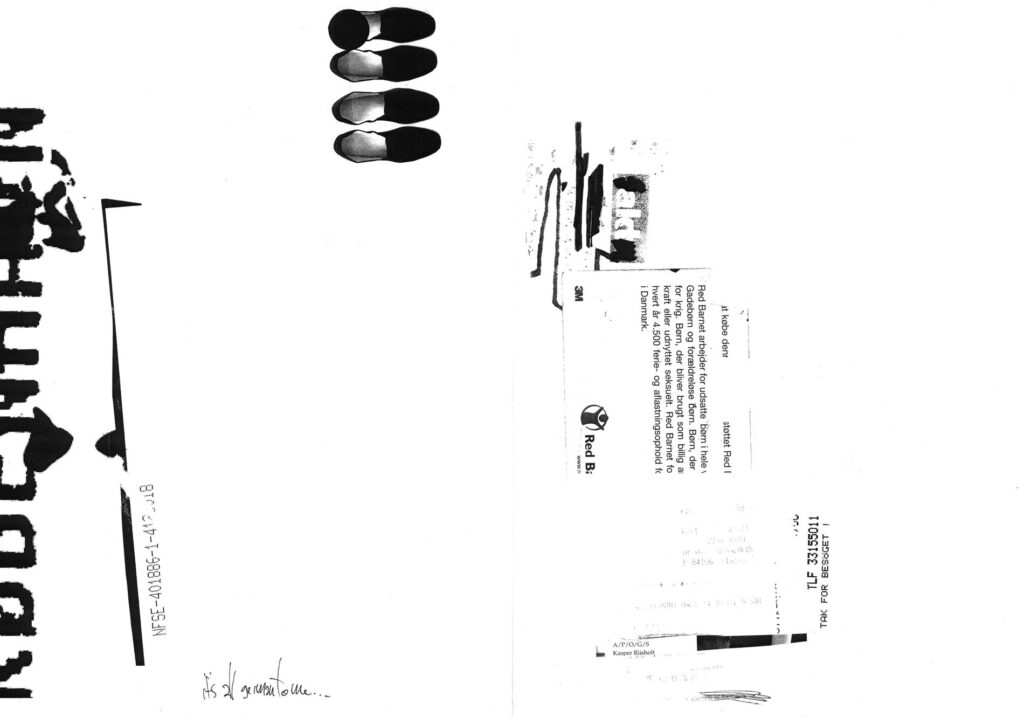
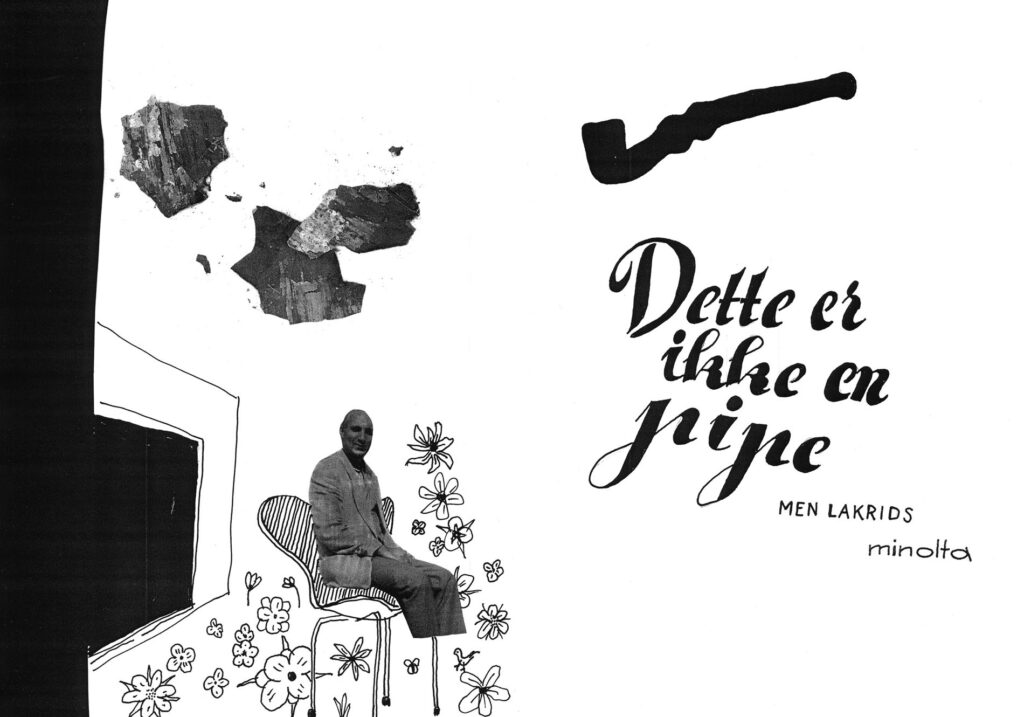
Rinah Lang: Before I actually sat down at the table with scissors and glue, I didn’t really have a clear idea of how things would unfold. All I knew was that I wanted to leave behind large parts of my daily work routine—which does involve a fair bit of «crafting» anyway—and work more freely; I wanted to be more open to interacting with the others and less focused on a specific goal. We all started somewhere, and comments and reactions from the other two came almost immediately.
M.L.: How did that interaction affect you? Did you notice a difference compared to your everyday work processes and methods?
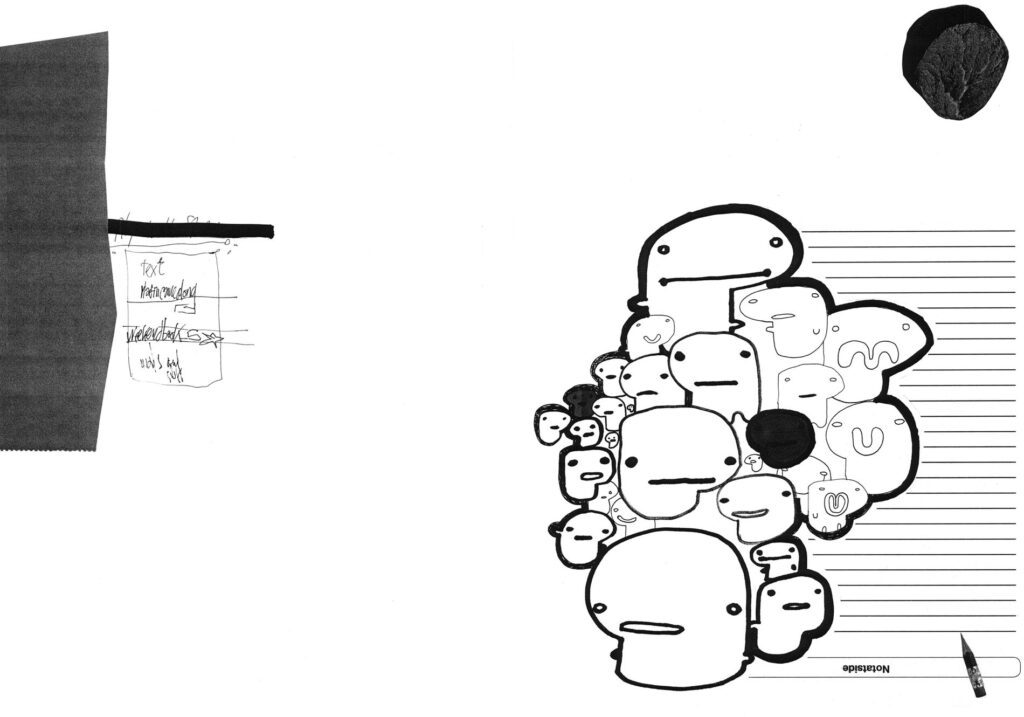
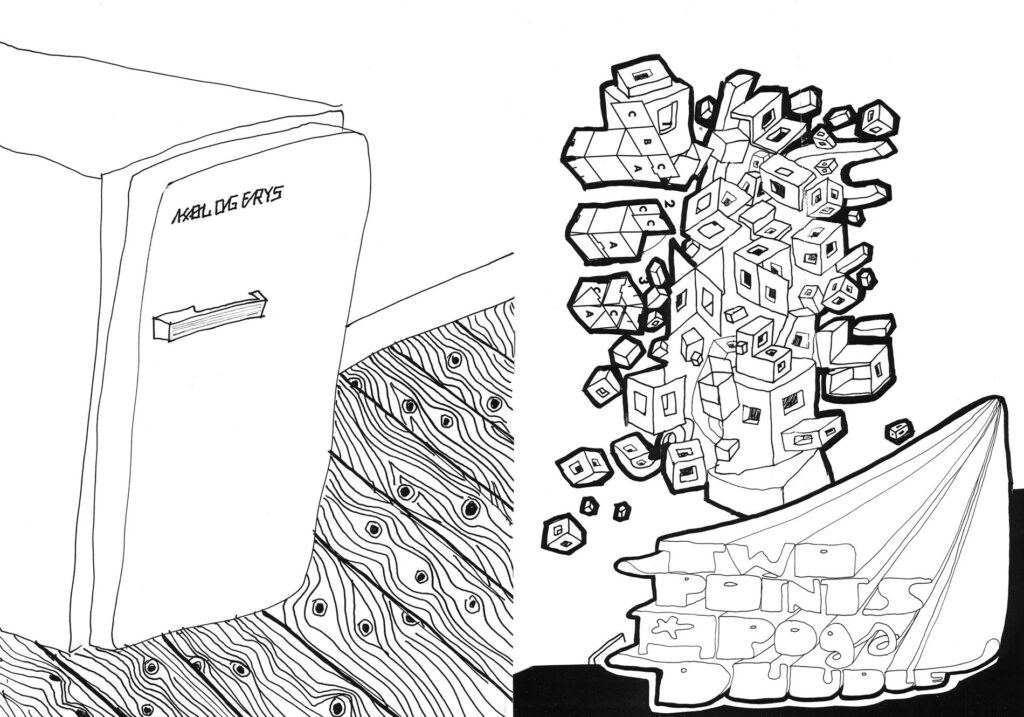
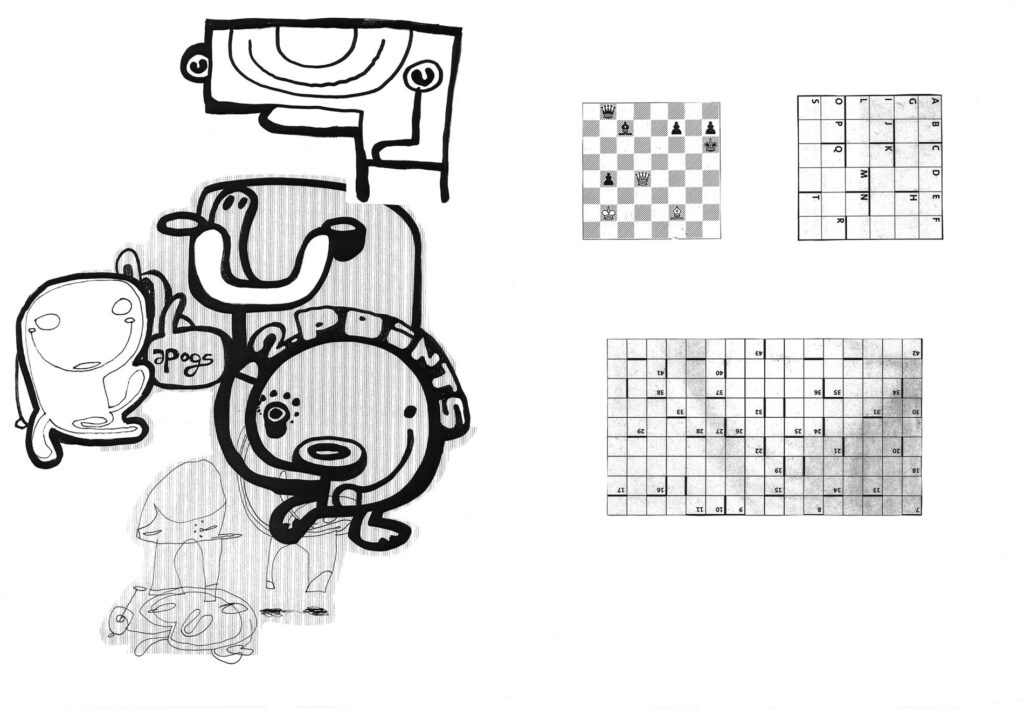
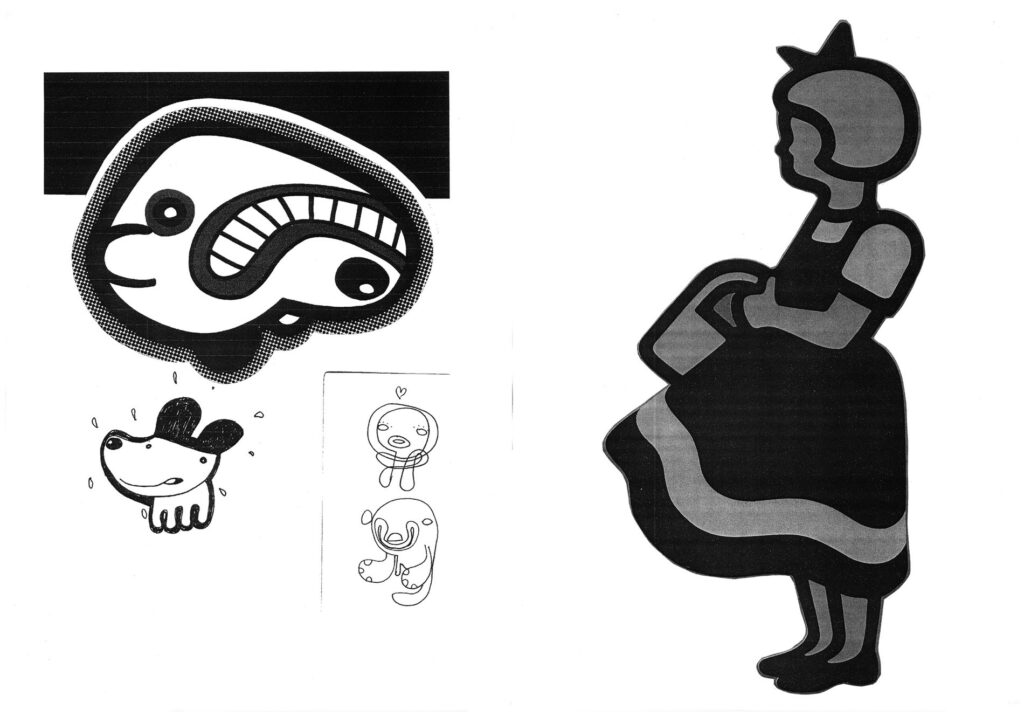
R.L.: I think you generally feel more comfortable taking cues from others because you’re working on a product together. And «taking cues» here doesn’t mean copying the visual result on the paper; it’s more about approaches and mindsets. When working with others, you quickly realise what kind of automatic habits you’ve developed in your own work, and you try to cast them aside for a while. For instance, the first thing I tried to do was stop overthinking and be more uninhibited—like Martin, who simply sits down and draws an elephant on the paper as if it were the most obvious next step. You can figure out what to do next later—whether to discard it or develop it into a series.
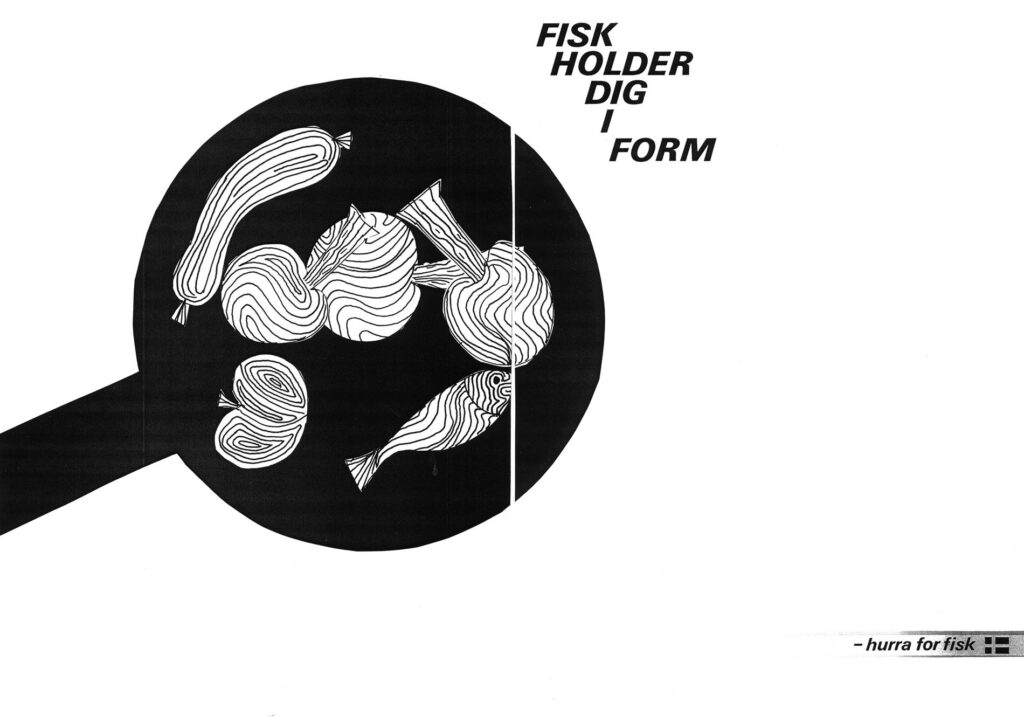
M.L.: I, on the other hand, was fascinated by the way you approached an illustration. You really got the sense that you work very hard on your illustrations—building them up piece by piece, where every trace left by that process becomes part of the final result. In fact, that very layering is what gives the illustration its quality. It was really exciting to watch that unfold. So, you were able to use «The One Weekend Book Series» to examine your own working methods and work on them. Are there still moments when you think back to that weekend? Has it perhaps even influenced the way you work?
R.L.: I think I don’t think about it enough in high-pressure situations. It’s only when the day is already a write-off, and I’m still dissatisfied, and a beer is open—with seemingly nothing left to lose—that a mood similar to «The One Weekend Book Series» can emerge. But even then, you’re sitting there alone—that’s a crucial difference. I don’t mean that as negatively as it sounds, but it does play a role.