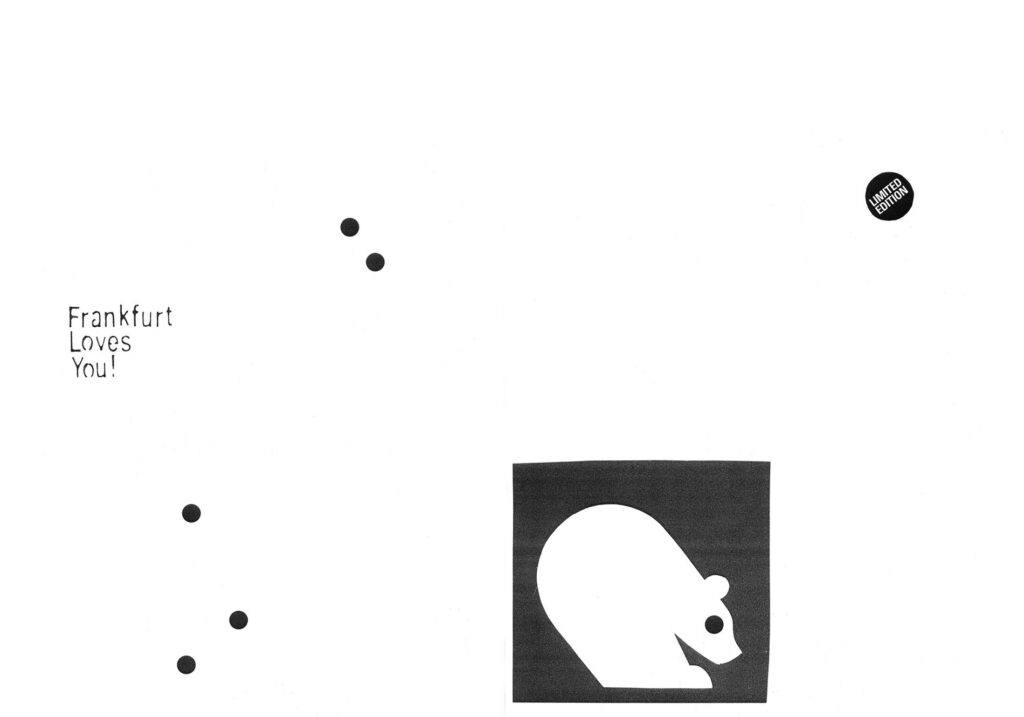
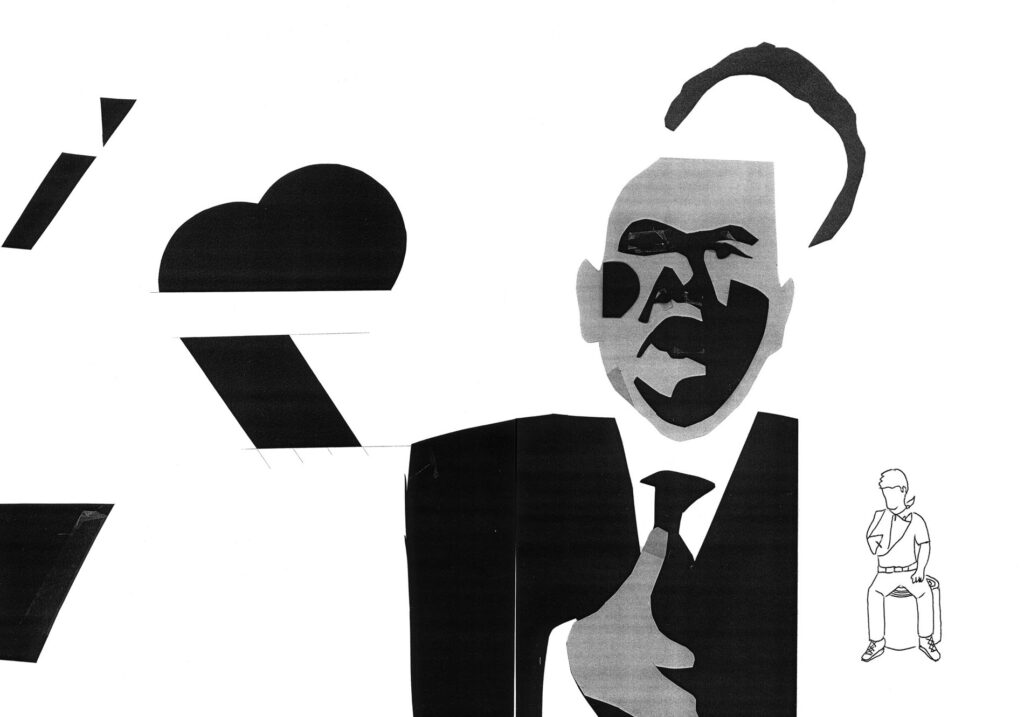
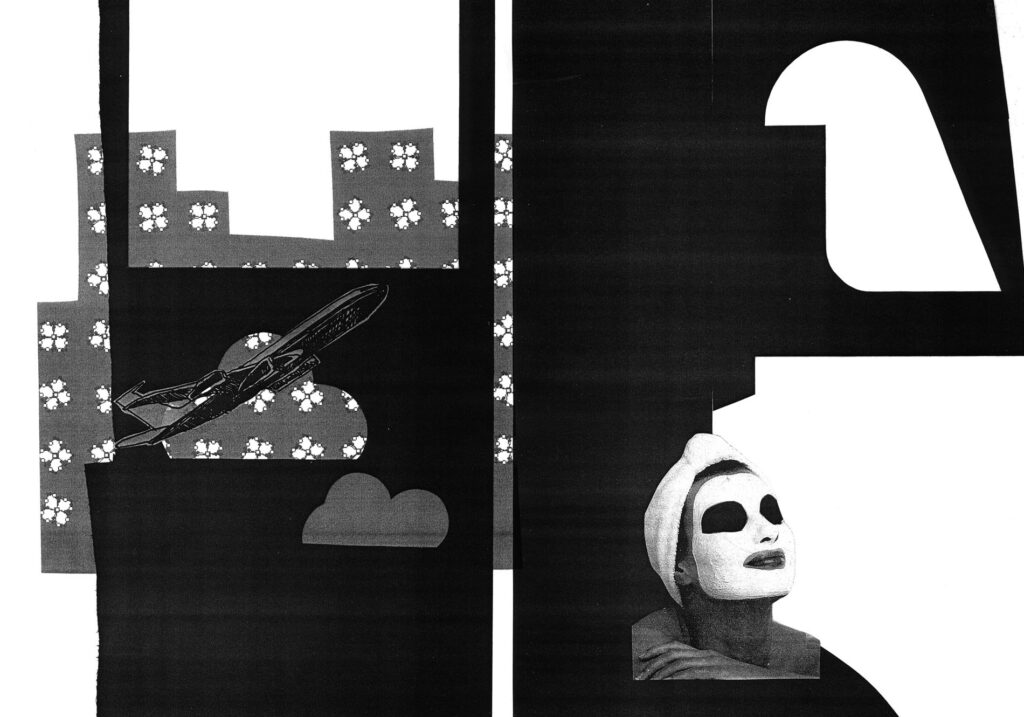
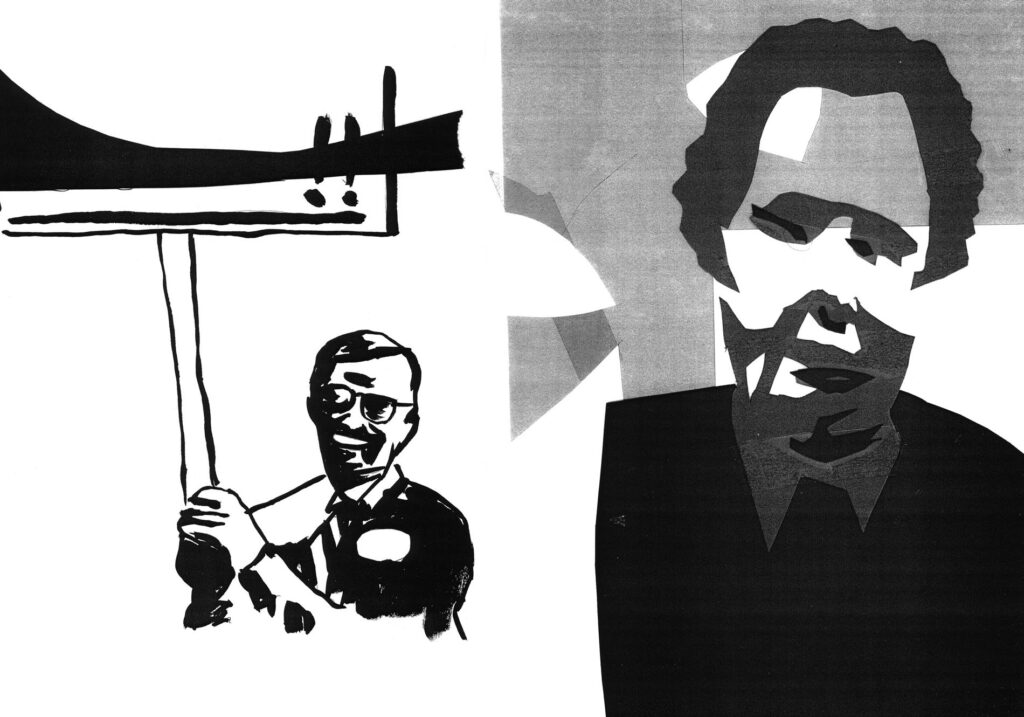
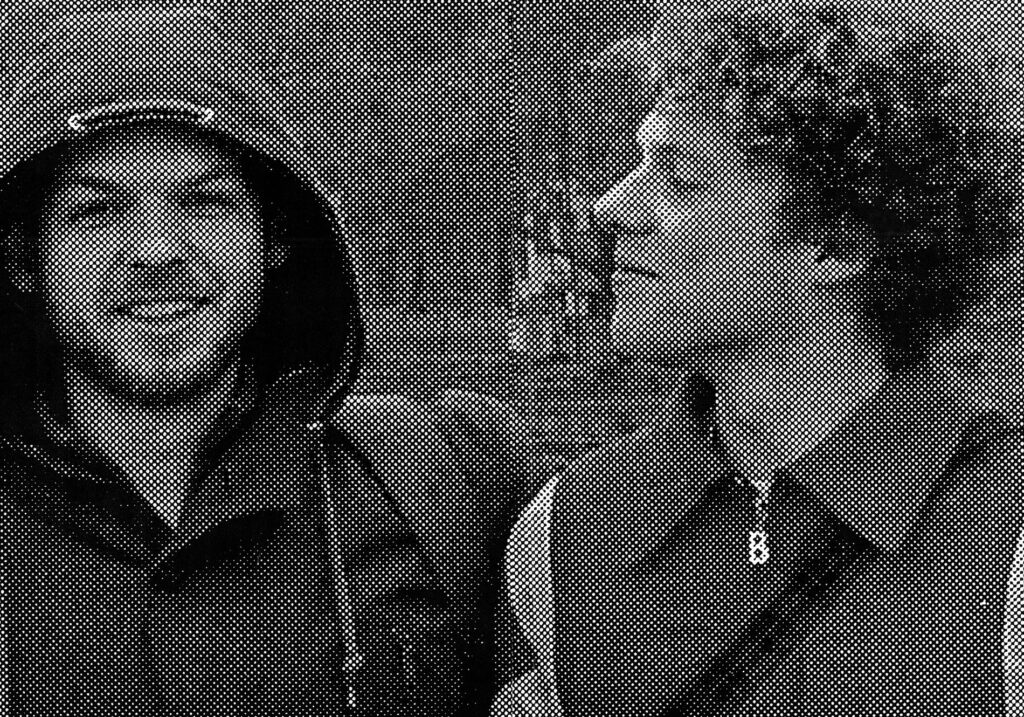
M.L.: Rowan, you participated in the second volume of «The One Weekend Book Series». Tell me about it. How was it?
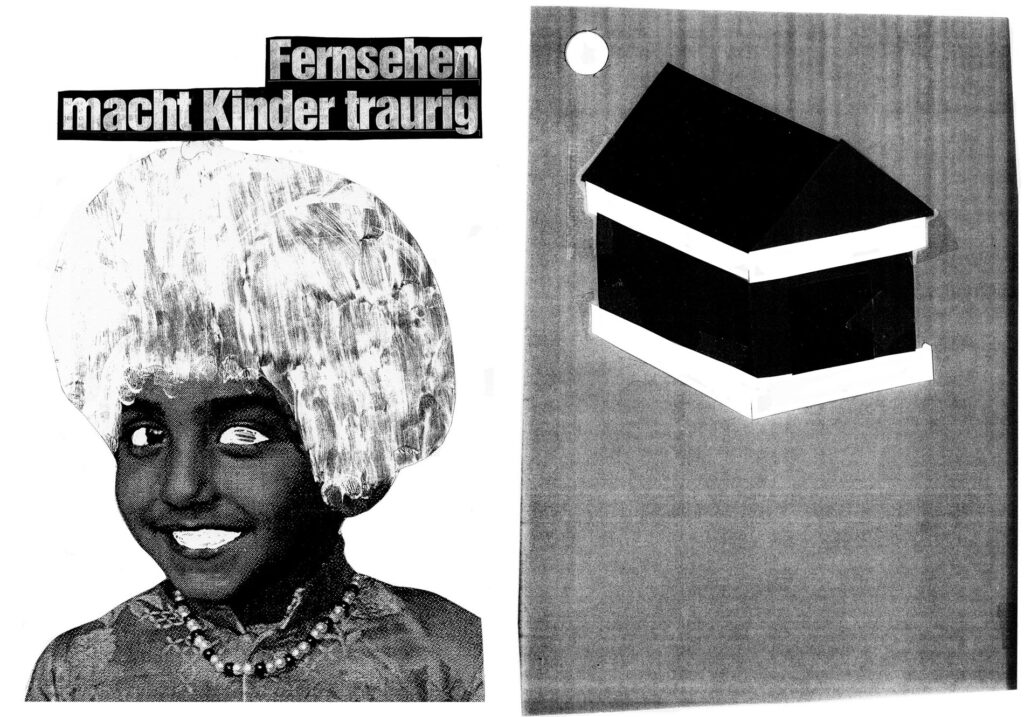
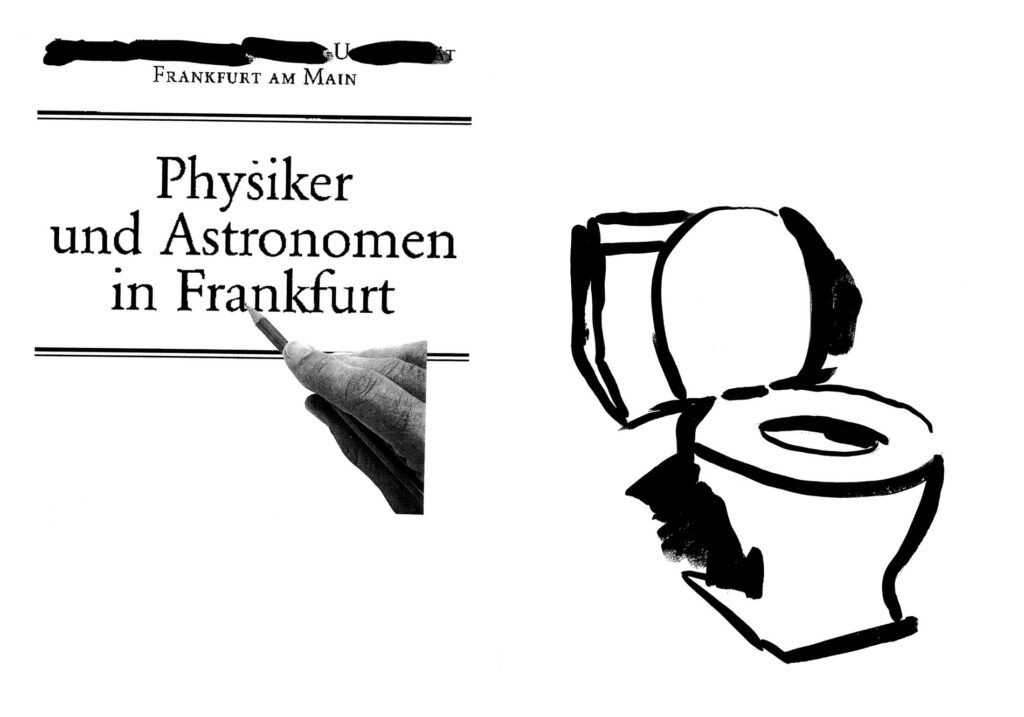
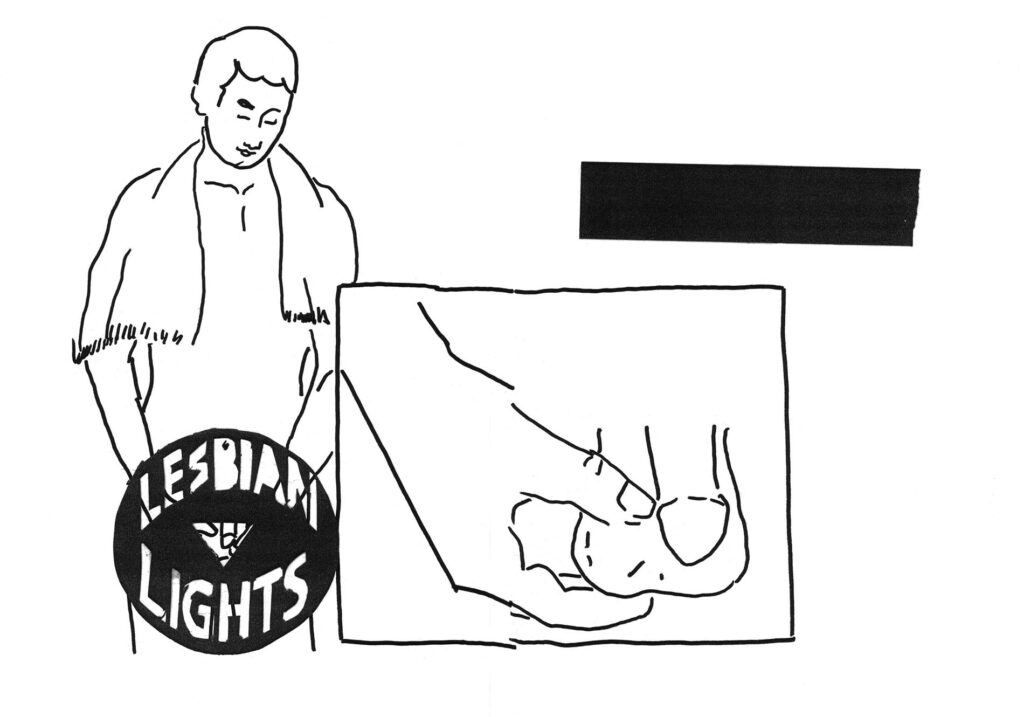
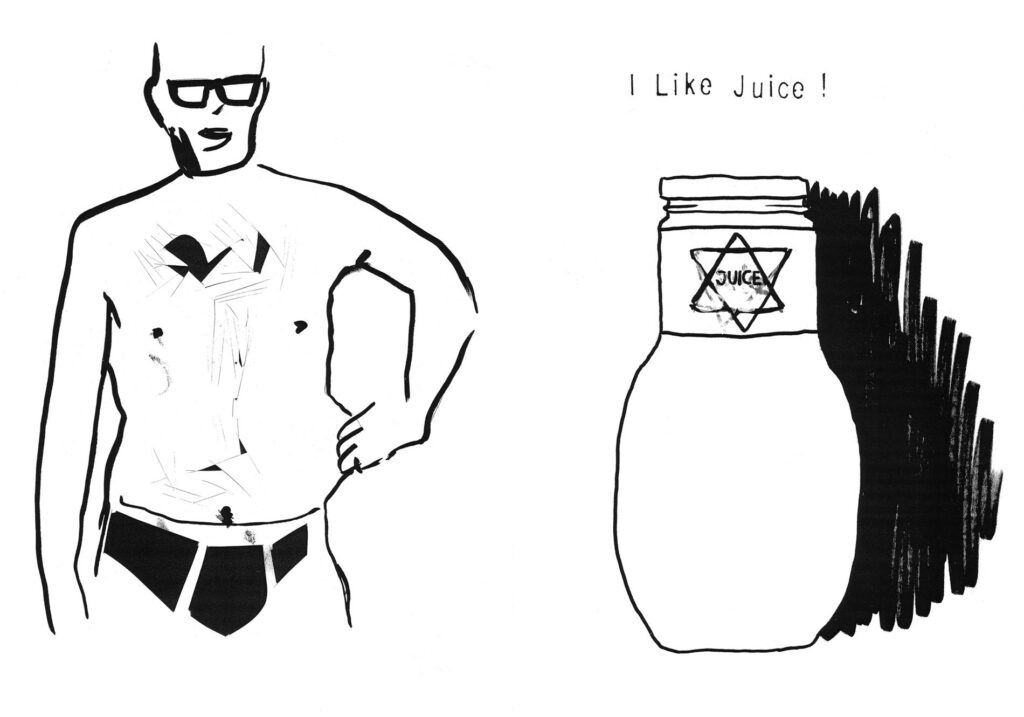
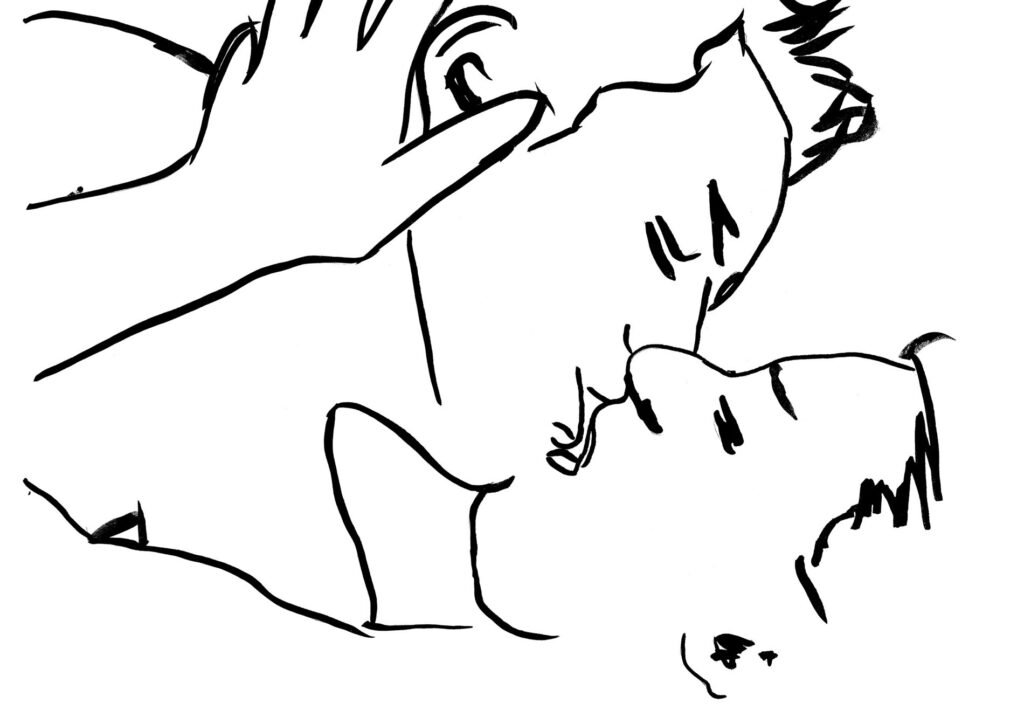
R.M.: That is difficult to explain in just a couple of sentences. I learned a lot during «The One Weekend Book Series», a lot on a lot of different levels. That is probably the strength of the project you have pulled me into. By creating a situation in which time, place and you, Martin, all three become the framework subject and opponent, there is bound to be a lot of experiencing going on. If these experiences are able to make their way into the book created, it will certainly become an interesting document.
For me, my personal experiences were as much of a criterion for the success of «The One Weekend Book Series» as the final visual results. How do you measure whether the individual One Weekend Books as well as the entire One Weekend Book Series are a success or not? And do you often have to guide or redirect the direction of the project this success?
M.L.: It is like you said, I am trying to create a certain situation. A situation in which the participants and I let go of working methods we are used to, but limit our creativity. That’s necessary to be able to develop and learn. If we could take something from this weekend into our everyday lives, it has been a success to me. But «The One Weekend Book Series» aren’t just a creative Workshop for burned-out creatives. The artists and designers I invite are all great talents that I admire very much. Everyone is very different to each other. That makes it very exciting to me and hopefully to the reader of «The One Weekend Book Series» too. At the end, I want to create a book that shows all the emotions and struggles the authors have gone through, that is much more authentic, lively, emotional and intuitive than an illustrative work that was worked on for a week.
During the process of creation, I do not try to intervene too much. Everybody has to get used to the situation. The participant has to get confident again. I would rather exchange illustrations and have fun while creating. At the end, when we are putting together the spreads and trying to find an order, a story or a dramaturgy, we decide if a redirection is needed. Directing a creative process needs a lot of sensitivity, as I do not want to limit the individual, in contrary, a stronger individual creativity has more potential to inspire. Too much direction from my side would make every volume look the same. That sounds boring to me. For the result and the experience.
Rowan, you talked about several layers on which you learned. Which layers were you talking about?
R.M.: For me, The One Weekend Book Series Weekend was mostly a personal learning experience. My personal situation became intensified and, to a certain degree, clarified in the process of The One Weekend Book Series Weekend. Expression, verbal and nonverbal, language, love, privacy, group, sharing, social, cultural, emotions, strength, weakness, ideas, expectations, intuition, self-constriction, humour- all of these themes somehow connected to me and to each other. Themes that run through a lot of daily experiences. But by squeezing these feelings and processes into a room with someone else, a task and a time limit, I sometimes felt a bit overwhelmed during the 48 hours. In the end, this is my biggest impression of my One Weekend Book Series participation.
Do you have a lot of expectations before you start on a new One Weekend Book Series Weekend? What kind of influence does the fact that you know the artists and their work before you start working have on the process and final opinion on a One Weekend Book Series Book?
With this, I meant that you have always seen the work of the artist before you start working with him/her. Does this influence your approach to a new issue, e.g. do you modify yourself or the situation to please the artist or to get certain results?
M.L.: Interesting question. Yes, I do think about whom I am going to invite and, if forming a group, who I am going to stick together in a group, but that’s often only speculation. At the end, it’s various conditions, unable and unwanted to control, that lead to the approach, process and result of each volume.
I am sure that everyone who’s participating is modifying themselves in order to bring up work that the group will understand, not to please the other artists, but to be able to create a collective work and, what seems to be even more important, to be able to learn from the others.