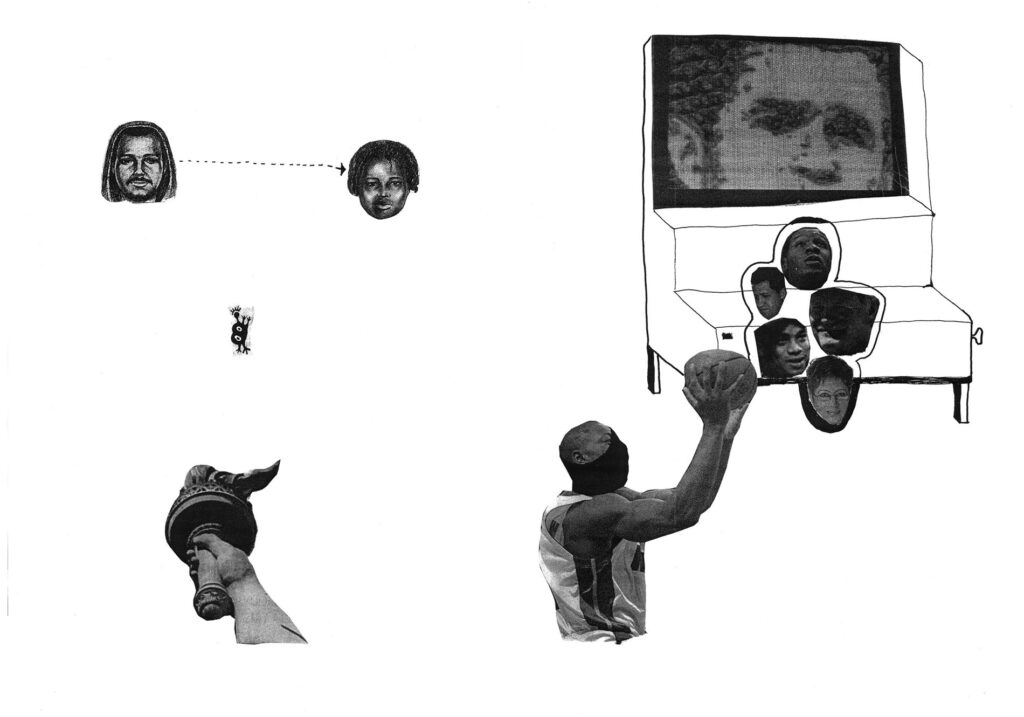
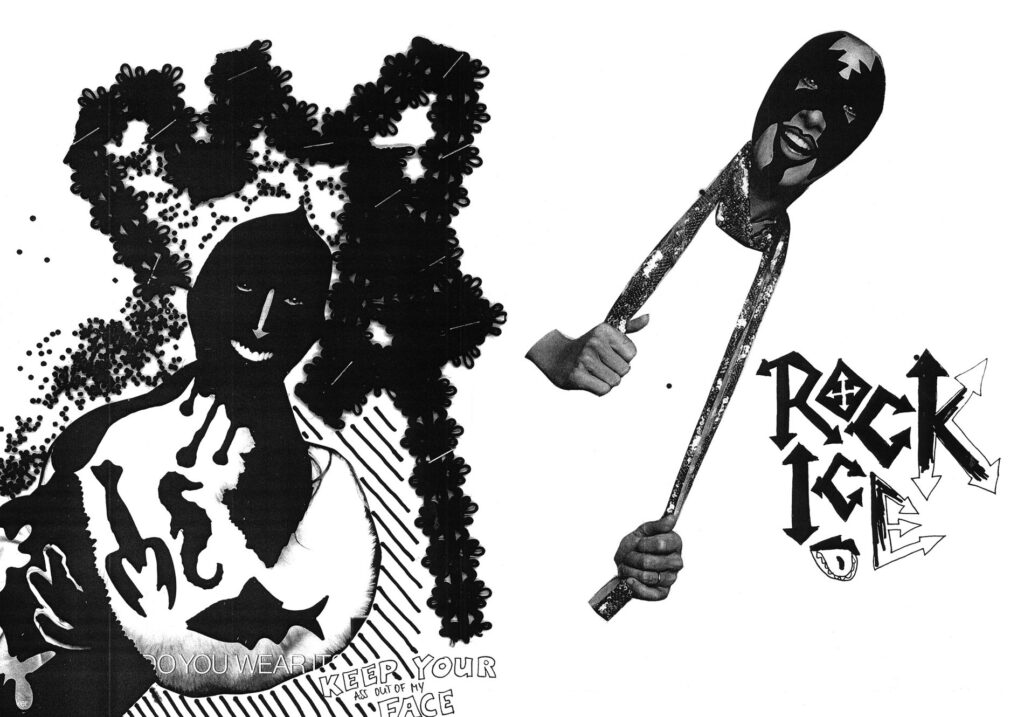
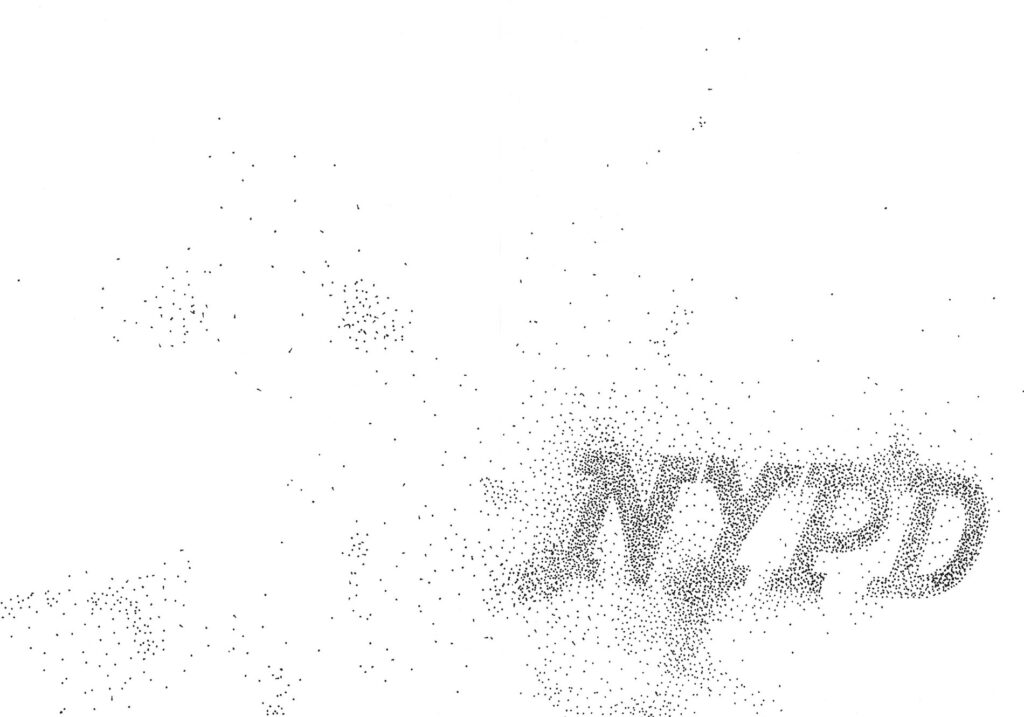
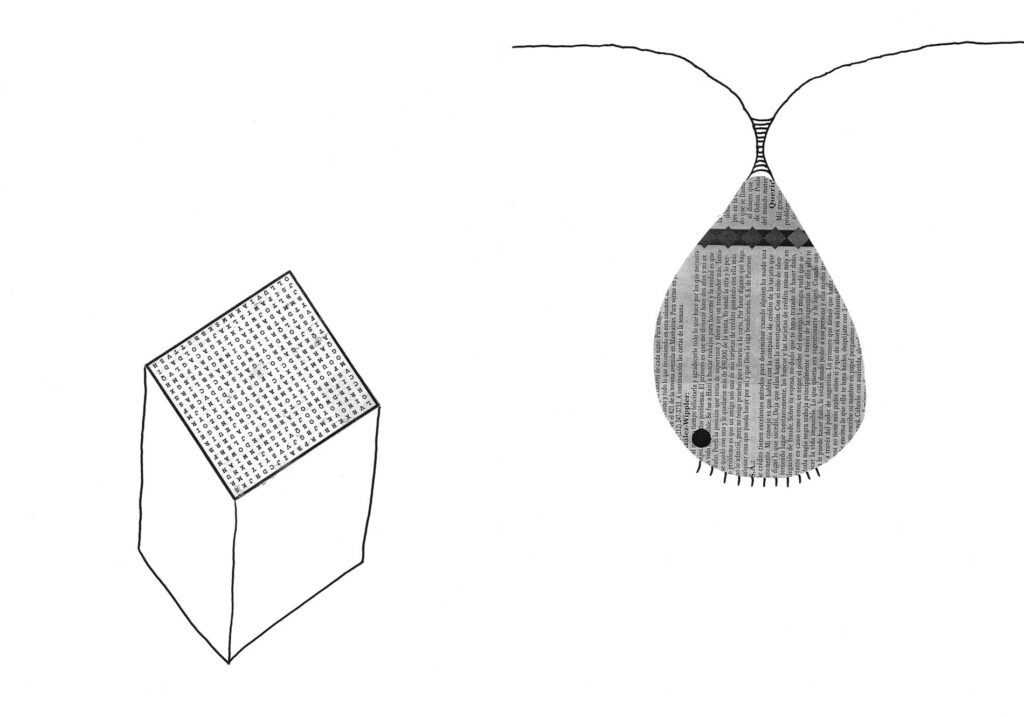
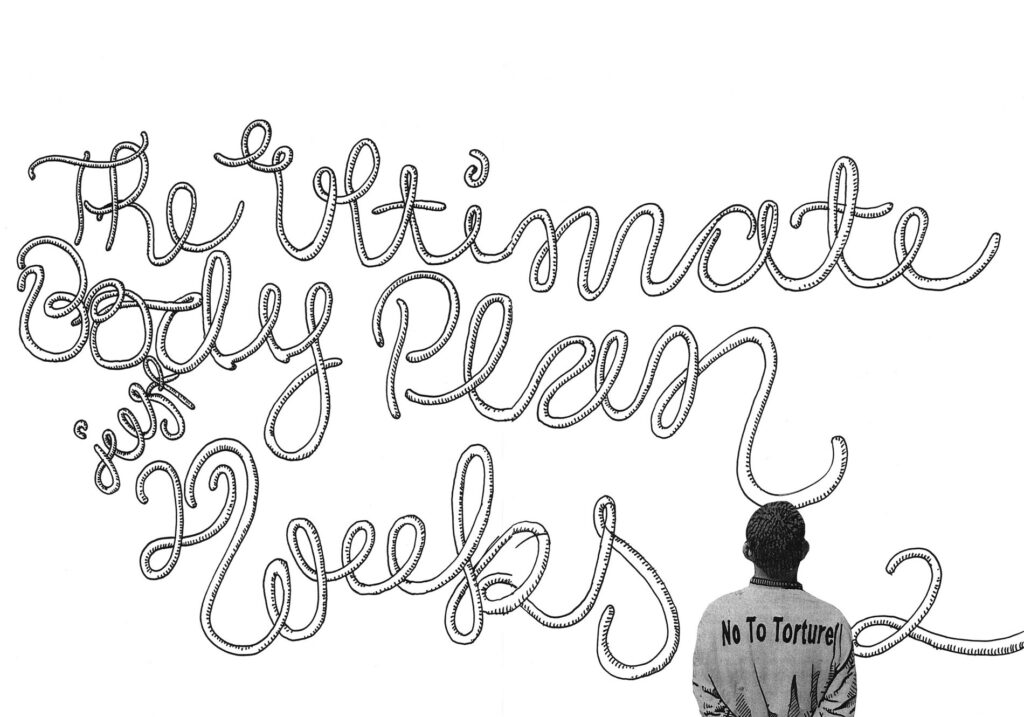
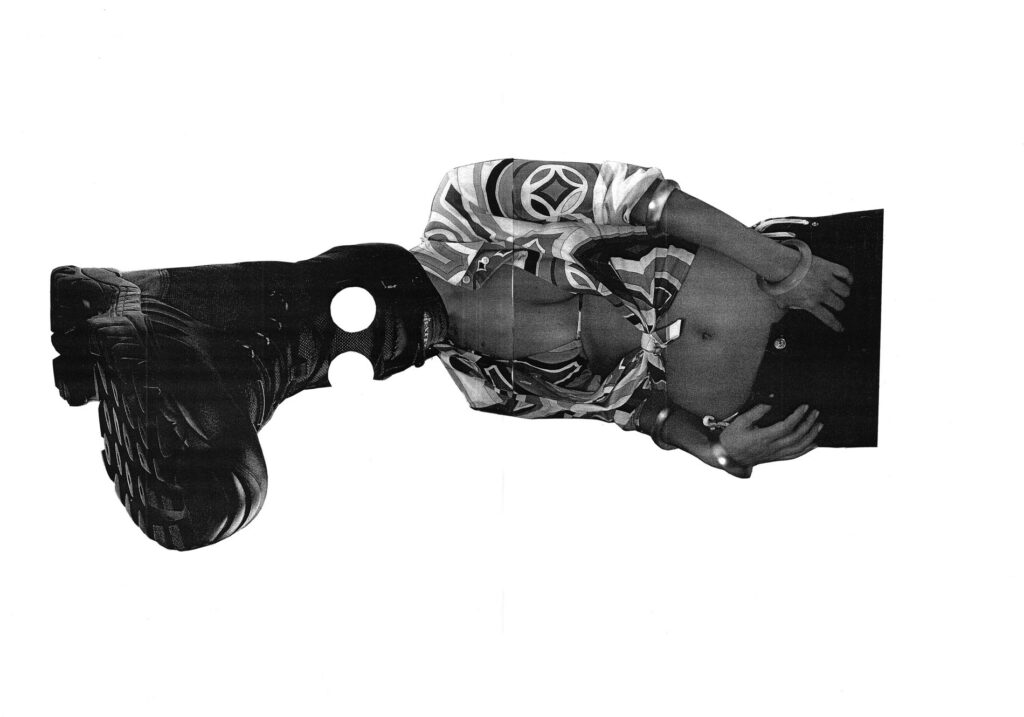
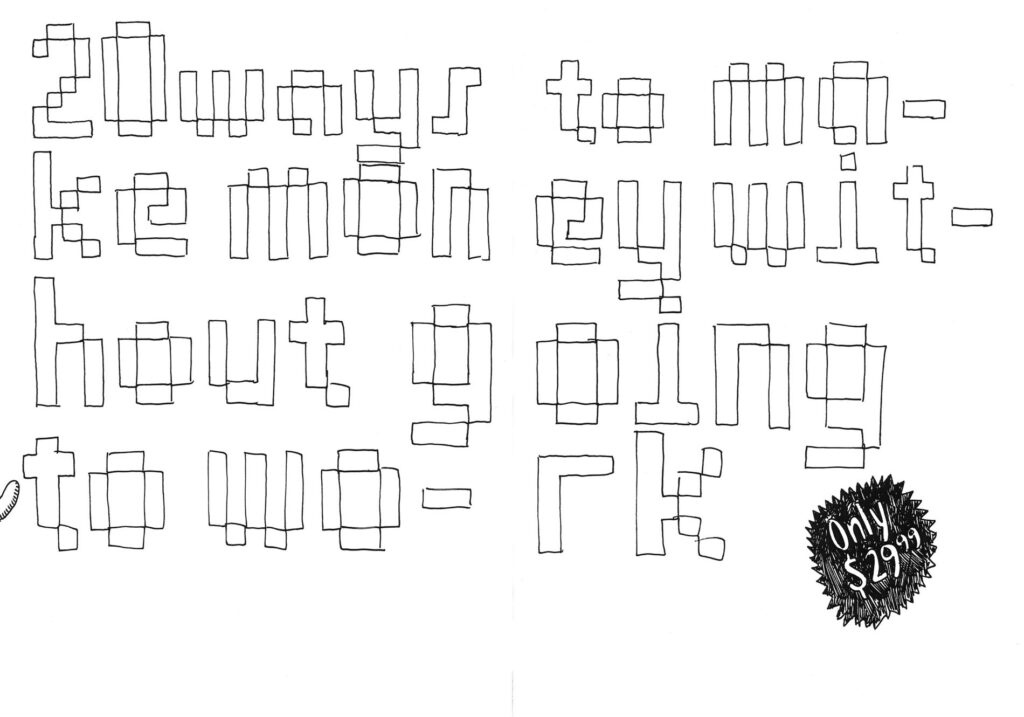
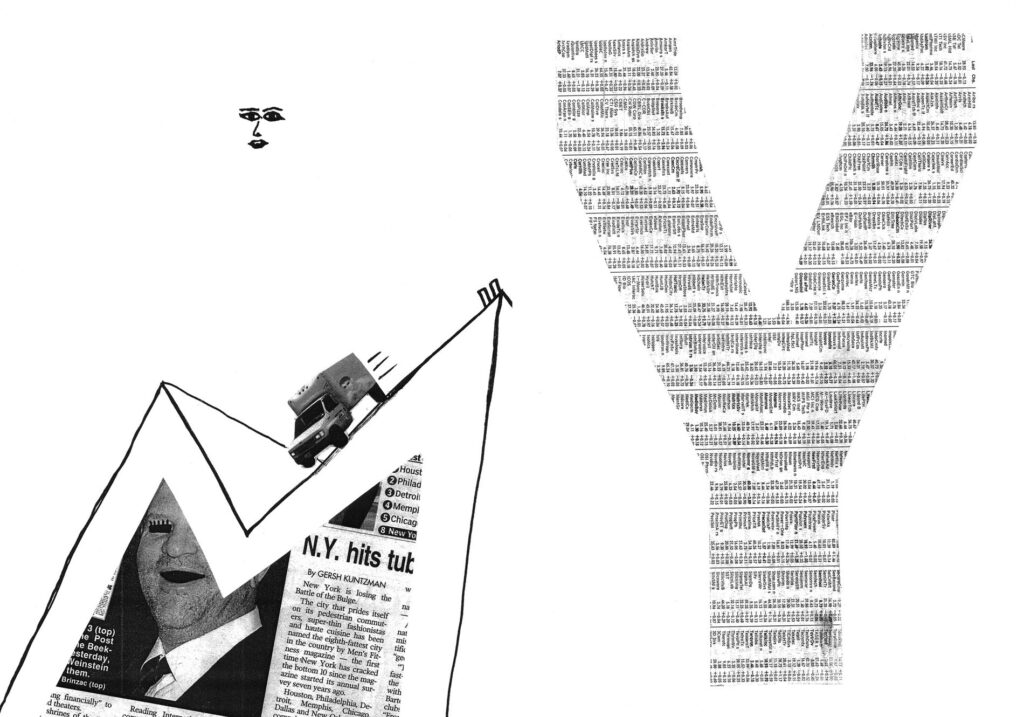
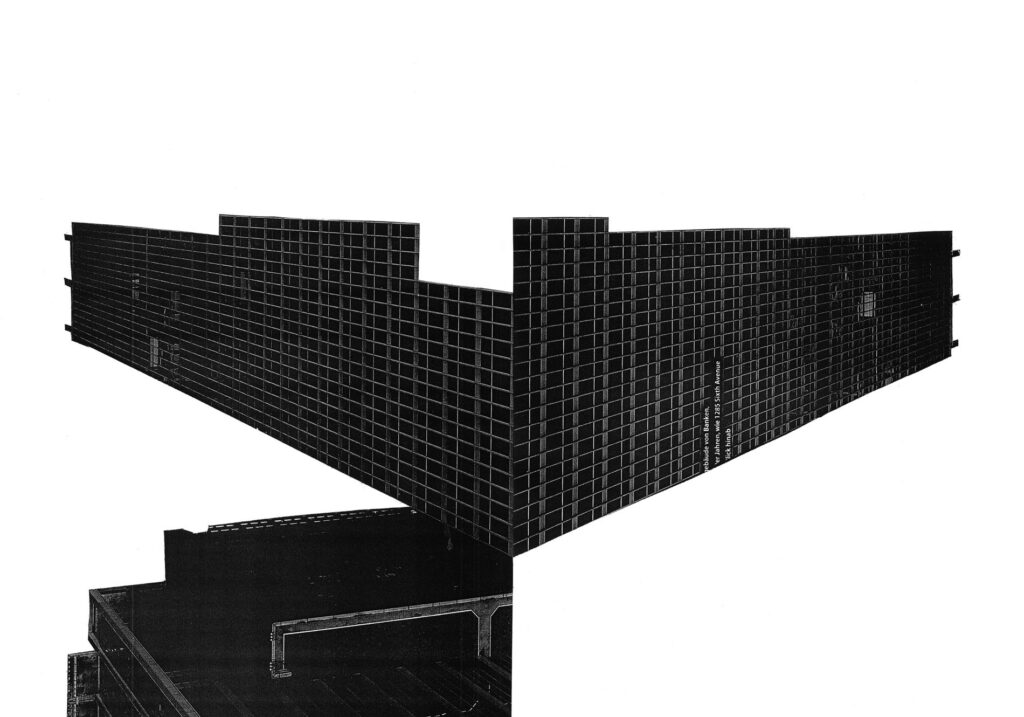
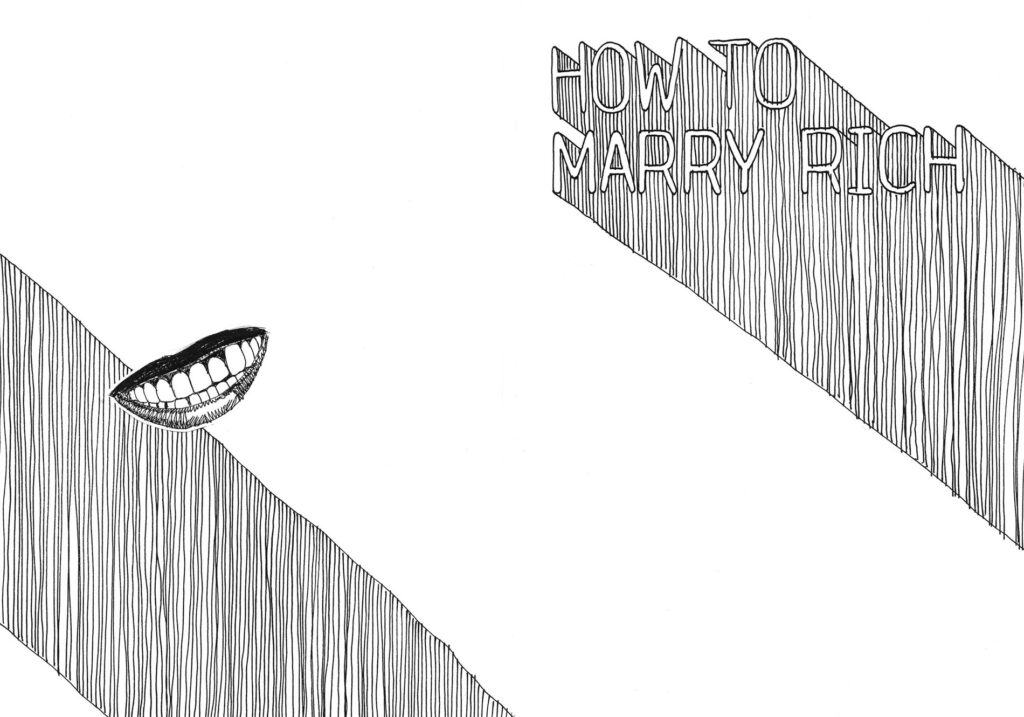
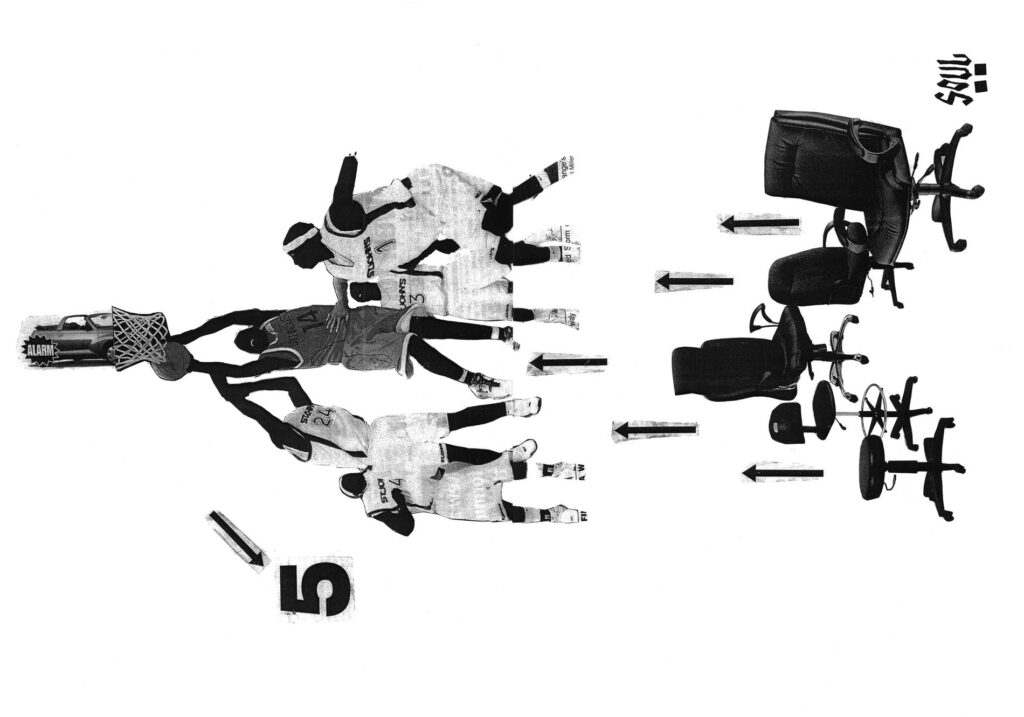
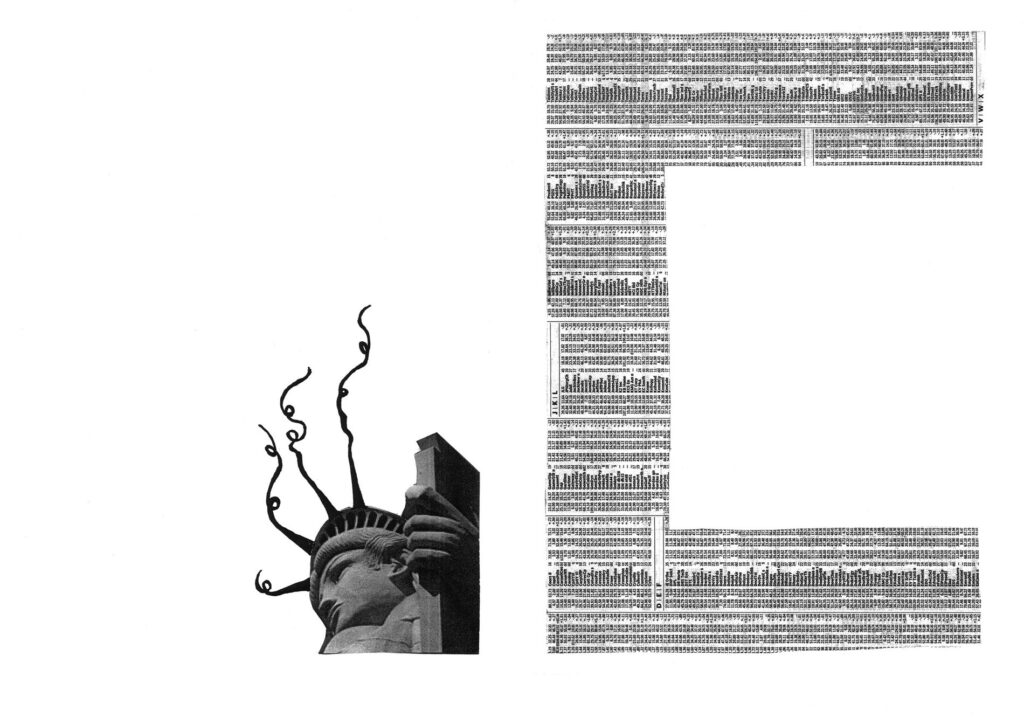
Martin Lorenz: Eike, you participated in January in the Nr. 5 of «The One Weekend Book Series». Tell me about it. How was it?
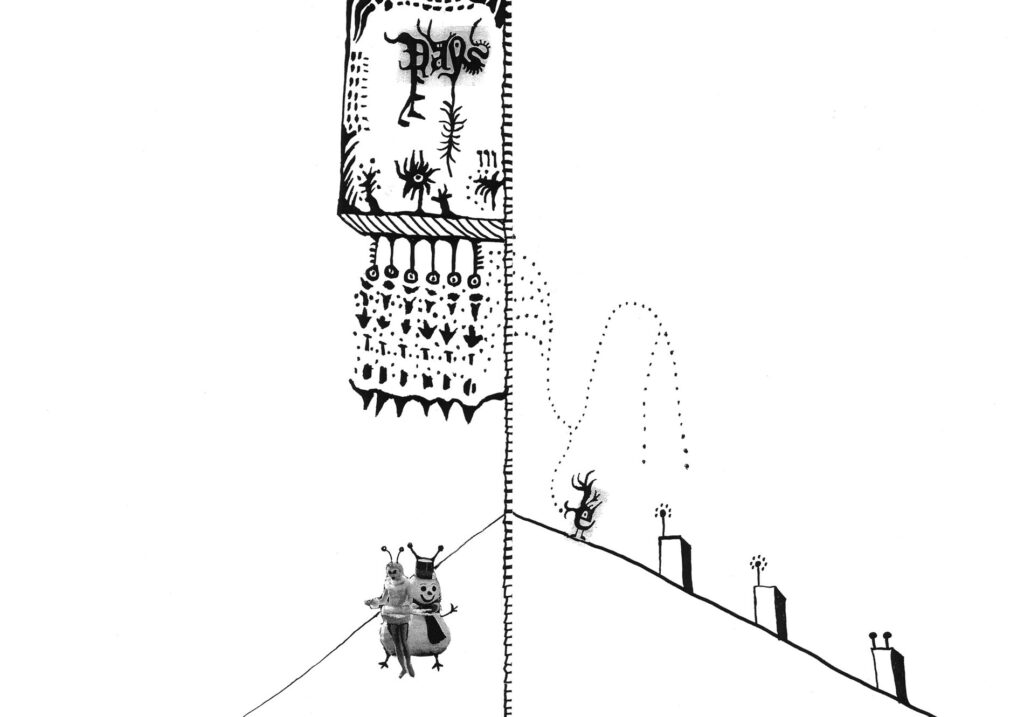
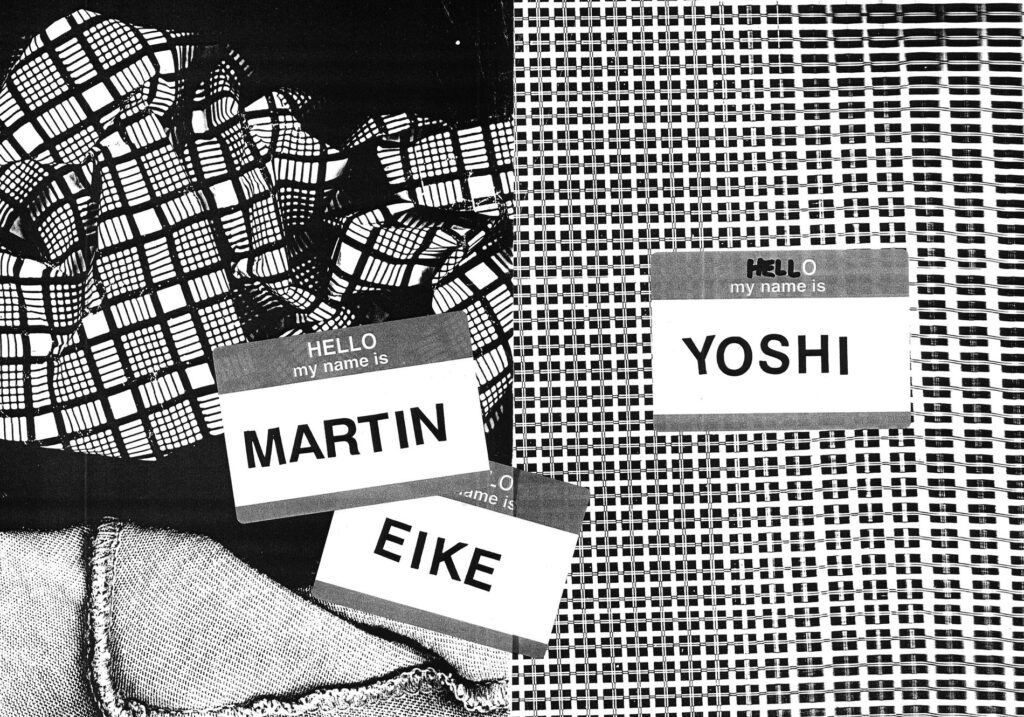
Eike König: Well, it was quite unusual. First of all, because you are getting part of this beautiful 48-hour book series, and then it is this particular city as well. Martin did it already several times, but for me it was something completely new. We work often with our hands, without the computer, but even like this it made me nervous and excited, like a student. Without the familiar working materials, at a totally different place. In the first 5 hours, we collected material, but I noticed during working that I missed this or that. The assignment and its limitations were teaching me totally new things. I felt very bad. My stomach was aching; I had a bad jet lag and was already totally exhausted at 20.00 o’clock. We could only work properly from 12.00 till 21.00 o’clock. I just got really into it after the 48 hours were nearly over. I dreamt about «The One Weekend Book Series». I was afraid to fail; things appeared in my dreams that I thought were forgotten, things that are not happening in my everyday working life. An interesting experience for myself, but it was very interesting to see the others working as well; it made me grow.
It wasn’t like I expected it to be, but then again it was like it had to be. The result is great; we laughed a lot and ate little, and it got atypically typical New Yorkish. I think that we, the ones who created it, see more connections than someone who hasn’t witnessed what we saw. It has something to do with the experiences you make. It became a very personal book.
Martin, how is it for you? You always have to get used to new places and people. Are you getting used to it, or is it always a new experience?
M.L.: Every volume up to now has been very different, but what they have in common is that they have all been very intense and emotional. This is an important part of the project. The time pressure, the fear of failing and the uneasy feeling of not having the familiar environment and working materials. It feels very intimate, being in this situation with „strangers“. It makes you experience a different side of yourself. This is the situation I want to get. It is the situation in which you are able to take risks and try something new. Only then do the results become authentic and therefore more interesting.
I really love this project; it makes me travel, see other places, meet great talents and share with them the intense experience of creating a book in 48 hours. It’s a very refreshing and inspiring experience. I hope I will never get used to it. I think I would immediately stop the project, because being used to it would mean stagnation. I want to be able to keep on learning.
What were your thoughts on the project «The One Weekend Book Series» and its volumes before and after you experienced it yourself?
E.K.: I’ve got a totally new relation to the project. It got more personal depth after I participated. In the beginning I just thought it was an idea of yours, Martin, that you developed and filled with life. Later, when I saw the results, I tried to find in the work the person and his relation to the visited city. I got surprised every time. After you asked me to participate in the New York volume, I started to analyse the past volumes. What is possible, what could be made, how did they deal with the format, how did they deal with the fact that the illustrations became copied- these were all questions that I asked myself. We talked several times about this, but I had to release myself again from this information; otherwise, I wouldn’t have had such fun.
I enjoyed the experiment. First, you are going to have a different view of the city and therefore experience it differently for a short moment as well. Secondly, it gives you the possibility to observe yourself under special circumstances. I found out about my strengths, but as well about my weaknesses. Something like this sensitises you, and that’s good. After some time had passed, I recognised that the result becomes a part of every participant and that you can see the connections between these three parts, even though they are very different individuals. That’s for me the visualisation of the invisible workflow that happens when one works in a group. Influence, observations, mood, etc. One should repeat this experiment many times. It releases another kind of energy; it practices certain things that one isn’t able to practice as intensely in everyday working life.
Martin, how is it for you? Do you see as well more in this project than the result and the motivation you get from it? For me, the process is very important, and I find it very interesting to experience the other person while working with him.
M.L.: I have always wondered about non-local working groups; this is a common theme in all my TwoPoints.Net projects. Local work means clarity but often misses out on spontaneous emotion and constant thrill. You can always see other places on television or the internet and chat with different people via email, but art and design have so much to do with feeling; being somewhere with someone at the right place, at the right time is often worth more than the best-made plan. Although globalisation is changing the world, and Europe in particular, I found out that every place is different in its core and creates opportunities easily overlooked when you focus on fashion and trends. It could be interesting to create a travelling working group, one that is constant by not being at the same space. You could see the project «The One Weekend Book Series» as a first step towards this goal.
The lack of electronic help, the computer, is another interesting part of this project. Most of us have got used to using the computer; it has become a substitute for our hands in the process of creation, a very mighty prosthesis. Mighty enough to forget about hand-crafted work. What happens now that we are going back to pen and paper? How has our working with the computer changed our work on paper, concerning both working methods and aesthetics?
E.K.: I think the biggest problem of the computer is still its limitations, even though it has many possibilities. Pictures that are made are still made out of bits and bytes and follow a certain grid. We, the Hort, always tried to break the typical look of the computer by bringing something that distracts into our work, but still it is the handmade work that has the greatest appeal to us humans. It is the mistake, the irregularity, that we consider human and therefore get in contact more closely. I realized that the computer does a lot of work, but also deletes as well some parts of the process. Parts that are important for the design. If one works with the hand he has to think about so much more. This gives him the possibility to reflect on his thoughts more often. The computer gives us the famous «Apple+Z», and today you can even repeat it 20 times. This saves us time and reflection in between the process. The experience is missing. The haptics, the smell, the amazement of the delicate hand, the outburst of fury, the format, the realness. When humans experience something while creating, the reader feels it in their work. That is of great importance, because it is all about communication.
What do you think about this? Is it in the end only a possibility to make a difference to others? Is there really a visible and traceable development that sees the computer for what it is, a working tool? I recognised that the producers of computers are heading more and more in the direction of «private creativity». Easy-to-handle cutting programs with computer effects for the family vacation films, digital cameras that make people take more trash pictures – click, delete, save, print. Is the industry just pleasing the simple wish to be creative? Is the industry destroying our business like this?
M.L.: No, because our job is not just to make pictures. We, as designers, do not create to create. We create media that is used for communication. That implies a target-driven working process. A conscious decision. To be able to make this decision, one needs education and experience, not just a tool with a filter.
I hope that bringing professional tools to the masses will bring better clients. I sometimes have the feeling that a client would preferably do the job himself, but because he does not know how to prepare a file for print, we have to do it. If all these people were now able to print their own designs, only the ones who know that they need a professional designer would hire us. This is at least what I hope.
Martin Lorenz: Yoshi, you participated in the fifth volume of «The One Weekend Book Series». Tell me about it. How was it?
Yoshi Sodeoka: It was fun. Not only was it nice to meet you and Eike, but it was really inspiring to actually cut and paste papers and draw. We almost don’t do that often, which is a shame.
M.L.: Your art, design and sound projects are very connected to digital media and technologies. How do you think this has an influence on your paper work?
Y.S.: Yeah, I’m actually trained as a painter. I learned painting from a very young age, and that’s all I knew. I mean, I am older, and computers weren’t really around until I got out of college.
Now, I don’t paint as much. But I would like to get back to it someday, though. In any case, I still think all my digital work comes from what I learned from traditional art training.
M.L.: Could you tell me more about your connection between being a painter and making digital work now?
Y.S.: I don’t think we should make such a big distinction between them. They are just different tools. So, if there weren’t any computer technology to make art, then I would be maybe still using brushes and paints, I guess.
M.L.: I totally agree that the motivation for art isn’t just coming from the tools we use. That the tools are only the media to express our ideas, emotions or concepts. But don’t you think that the tools we use are changing the way we express ourselves and therefore how we might be understood?
Y.S.: Yeah, I agree, so in one way. But I hate to admit that the tools are changing us. You know what I’m saying? I think designers and artists‘ goals should be not to be overwhelmed by the technology. It’s important to overpower it. You need to have good ideas before we use the tools.
M.L.: Yes, I think so too. I think you can see that very well in the history of visual culture. The media and styles changed over the years a lot, but the subjects seem to keep repeating. Maybe it’s even our ability to distinguish between tool and idea that is our chance to discover the essential ideas or subjects. I like to think in technology this way. It could make us worship good ideas again.